The Lion's Mane
Owen Murphy
| 27-11-2026
 · Animal Team
A male lion's thick mane is one of the most recognizable features in the animal world. It frames the face, covers the neck, and gives the animal an impressive appearance.
However, there is something curious about this feature: lions often live in warm environments, where a thick layer of hair might seem uncomfortable. Why would an animal living in a hot climate develop such a heavy covering? The answer involves protection, competition, and attracting potential mates.
More Than Just Appearance
The mane is a distinctive feature of fully grown male lions. Female lions generally do not develop this thick covering, making the difference between the sexes easy to recognize. Male African lions usually grow long, full manes that extend from the sides of the face down around the neck and shoulders.
A lion's mane changes as it matures. Younger males often have shorter, lighter hair, while older males may develop fuller and darker manes. Its appearance can also reflect an animal's general health.
Although a thick mane may make staying cool more difficult, it provides several advantages. These benefits help explain why this feature has remained important throughout the development of lion populations.
Protection During Competition
One important function of a male lion's mane is protection. Male lions sometimes compete with other males for access to a pride and control of a territory. These encounters can involve physical contact, making the neck and head particularly important areas to protect.
A thick mane creates an additional layer around these vulnerable areas. It cannot completely prevent injuries, but it may make it more difficult for another lion to reach the neck accurately.
The mane also makes a male lion appear larger. When two males encounter each other, physical appearance can influence how they assess one another. A fuller mane may make a lion look more imposing, potentially discouraging unnecessary confrontations.
A Sign of Health and Maturity
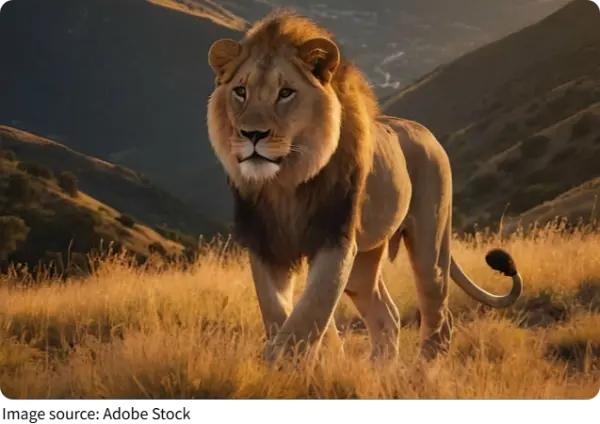
The mane also helps lions recognize and assess potential competitors. Its length, fullness, and color can provide visual information about a male's maturity and physical condition.
As males grow older, their manes often become more developed. Darker, fuller manes are frequently associated with mature and healthy individuals, although genetics and environmental conditions can also influence their appearance.
The mane may also help males attract potential mates. Female lions can use its appearance as one visual indication when assessing a male. A healthy-looking mane may therefore offer an advantage during competition for reproductive opportunities.
Why Asian Lions Have Shorter Manes
Not all male lions have the impressive manes commonly seen in African populations. The male Asiatic lion, which survives naturally in the Gir Forest of western Asia, generally has a shorter and less developed mane.
One possible explanation involves differences in habitat and social behavior. Asiatic lions live in environments that include woodland and dense vegetation rather than relying exclusively on wide, open grasslands.
Their social structure also differs in some ways from that of many African lion populations. Asiatic lion groups are often smaller, and males may spend more time living independently. They can join females for limited periods, particularly when reproductive opportunities arise.
These differences may influence how important a large mane is during daily life. If males experience different patterns of competition and social interaction, the advantages of maintaining particularly thick hair may also differ.
A shorter mane may offer another practical benefit: less hair around the neck can make heat management easier in a warm environment.
However, habitat and social behavior are not the only explanations. Genetics, local climate, and evolutionary history also contribute to differences in mane development.
Final Thoughts
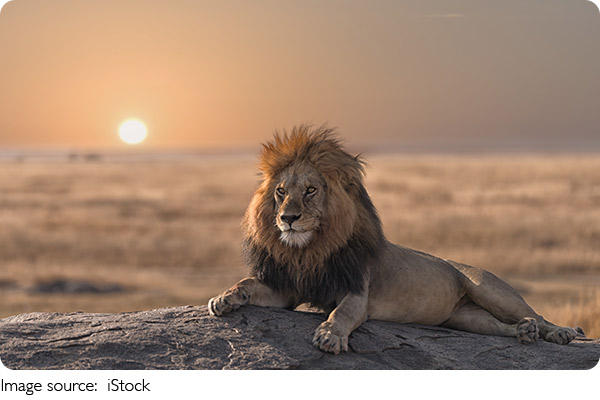
The male lion's mane may look like an inconvenient feature in a hot climate, but it serves several important purposes. It provides some protection around the neck, makes males appear larger, and offers visual information about maturity and physical condition.
Asiatic lions demonstrate that this feature does not need to develop in exactly the same way across every population. Differences in habitat, social behavior, and inherited characteristics can influence its appearance.
Ultimately, a lion's mane is more than a beautiful decoration. It is an example of how physical features develop in response to environmental challenges and the demands of social life.
Unleashing the Truth: The Surprising Reason Why Lions Have Manes!
Video by Kenya Wild Parks