Gaming & Communication

Julian
| 29-09-2026
 ·
· Gaming is often viewed as a form of entertainment, but cooperative play can involve much more conversation than it first appears. Players may need to explain ideas, share information, listen carefully, and respond quickly to teammates.
When games are played in a balanced and supportive setting, these repeated interactions can provide useful practice for communication.

Why Communication Matters in Gaming
Many team-based games depend on players exchanging information. A teammate may need to explain a plan, ask for assistance, point out an important detail, or suggest a different approach. Because these conversations are connected to an immediate goal, players have a clear reason to speak and listen.
This can encourage people to become more comfortable expressing their thoughts. Instead of having a conversation without an obvious purpose, players communicate to solve a problem or coordinate their next move. The practical nature of these exchanges can make communication feel more natural.
Learning to Be Clear and Concise
Good gaming communication is rarely about saying as much as possible. Players often have limited time to explain what is happening, so they need to focus on the information their teammates actually need.
For example, a player might have to describe a situation, suggest a plan, or quickly explain what went wrong. These moments provide practice in choosing useful words and getting to the main point. Over time, repeated communication can encourage players to think about how their message will be understood. Being clear becomes especially important when several people are working toward the same objective.
Listening Is Part of the Skill
Communication works in both directions. Speaking clearly is useful, but listening carefully is just as important during cooperative play. Players have to pay attention to instructions, suggestions, questions, and changes in the situation. They may also need to recognize when another teammate has a better idea and adjust their own approach.
This creates opportunities to practice active listening. Instead of waiting for a chance to speak, players learn that understanding other people's information can directly affect the team's progress.
Working With Different Personalities
Not everyone communicates in the same way. Some players may speak frequently, while others prefer to listen before contributing. Some may be comfortable making decisions, whereas others are better at supporting a plan. Team gaming brings these different communication styles together. Players can gradually learn when to speak, when to listen, and how to adjust their approach depending on the group.
This does not mean gaming automatically makes everyone a stronger communicator. The experience depends on the type of game, the people involved, and how the activity is managed. A positive environment can make the practice more constructive, particularly when players are encouraged to cooperate respectfully.
Building Confidence Through Practice
For some people, speaking in a group can feel uncomfortable. A gaming session can provide a familiar setting where communication has a specific purpose. Players may start with short comments or simple requests before becoming more comfortable sharing longer ideas.
Small successes can make a difference. When a teammate responds positively to a suggestion or a group succeeds because everyone communicated effectively, players receive immediate feedback that their contribution matters. That sense of participation can encourage people to become more willing to communicate during future activities.
Can These Skills Transfer Beyond Gaming?
Gaming should not be treated as a guaranteed way to improve communication in every situation. However, the skills practiced during cooperative play can overlap with everyday communication. Explaining an idea, listening to another person, asking for help, giving useful information, and adapting to different communication styles are valuable in many group settings.
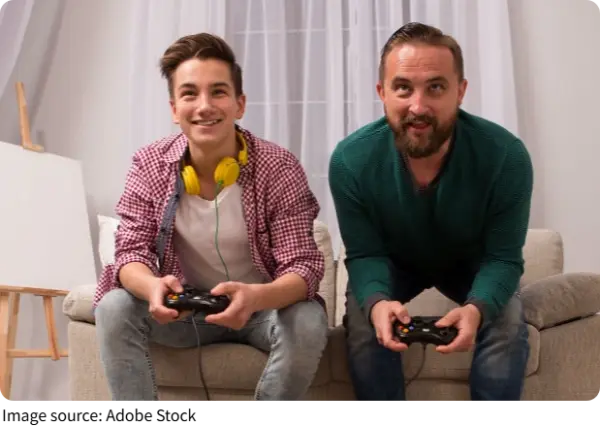
Team gaming can create a surprisingly active communication environment. Players are often required to listen, explain, respond, cooperate, and adjust their approach while working toward a shared goal. When cooperative play encourages respect, participation, and balanced habits, the conversations happening through a headset can become useful opportunities to develop skills that matter well beyond the game.