Creating Lasting Bonds

Camille Dubois
| 17-08-2026
 · Lifestyle Team
Hello, Lykkers! What makes a family feel close? It isn't always big celebrations, expensive holidays, or elaborate plans. Often, it's the small things everyone does together again and again. A Sunday breakfast, an evening walk, a favorite movie night, or preparing the same dessert every year can become surprisingly meaningful.
Family traditions give ordinary moments a sense of familiarity. They create opportunities to pause busy schedules and spend time with the people who matter most.
Traditions Create a Sense of Belonging
Everyone wants to feel that they are part of something. Family traditions can provide that feeling by creating shared experiences that belong specifically to the family.
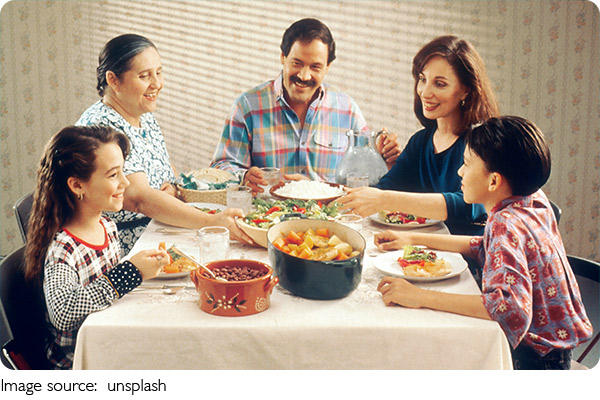
It could be something as simple as having pancakes together on Saturday mornings or taking a family photograph on a particular occasion. The activity itself doesn't have to be impressive. Its meaning grows because everyone knows, "This is something we do together."
Small Rituals Can Bring People Closer
A tradition doesn't have to happen once a year. In fact, regular routines can be even more powerful. A short evening walk, a weekly meal, or a regular game night gives family members a reason to spend time together.
These moments also create natural opportunities for conversation. When everyone is relaxed and doing something familiar, talking often feels easier and more spontaneous.
Traditions Don't Need to Be Expensive
One of the best things about family traditions is that they don't require a large budget. You could make homemade pizza, visit a local park, have a picnic, bake together, or spend an evening playing board games.
The goal isn't to create an impressive experience. It's to create a moment where everyone participates and enjoys being together.
They Help Different Generations Connect
Family traditions can be particularly valuable when several generations are involved. Grandparents, parents, and children may have different interests, but a shared activity can give them common ground.
An older family member might teach everyone a favorite recipe, while younger relatives could introduce a new game or activity. Everyone contributes something, making the tradition feel like a shared family experience rather than something belonging to one generation.
Traditions Can Adapt Over Time
Families change, and traditions can change with them. A tradition that worked when children were young may not make sense when they become teenagers or adults.
That's perfectly fine. Instead of abandoning the tradition completely, families can adapt it. A Sunday breakfast might become a monthly dinner when everyone's schedules become busier. A family outing might become a relaxed evening at home.
The important part is maintaining the connection, not following a tradition exactly the same way forever.
They Give Everyone Something to Look Forward To
Busy weeks can feel repetitive, especially when everyone has different responsibilities. A small family tradition can create something positive to anticipate.
Maybe everyone looks forward to Friday movie night or a weekend breakfast. These familiar activities can add warmth to the week without requiring much preparation.
Sometimes, knowing that you'll have a little time together is enough to make a busy week feel more manageable.
Traditions Create Meaningful Memories
Lykkers, children may not remember every gift they receive or every restaurant they visit, but they may remember how certain family routines made them feel.
The smell of a favorite meal, everyone sitting around the same table, or laughing together during a familiar game can become strongly connected with childhood and family life.
These memories can also continue into adulthood. Children who grow up with meaningful traditions may eventually recreate them with their own families.
Everyone Should Have a Voice
The best traditions are shared rather than forced. Give everyone a chance to suggest ideas, choose activities, or make small changes.
One person might want a cooking tradition, another might prefer outdoor activities, and someone else may love movie nights. Rotating responsibilities can make everyone feel included.
Start With Something Simple
You don't need to create a complicated family schedule. Choose one small activity that everyone can enjoy and repeat it regularly.
It could be as simple as having tea together on Sunday afternoon, taking a walk after dinner, or cooking breakfast together once a month.
Family traditions aren't really about the activity—they're about making time for one another. When families create simple rituals and protect time to enjoy them, ordinary moments can become lasting connections.
Lykkers, you don't need a perfect tradition. You just need something that brings you together.