Deep Gray Home Guide

Elena Rossi
| 20-06-2026
 · Lifestyle Team
Hi, Readers! Deep gray in home design is a bit like a great knit sweater.
It feels calm, versatile, and quietly stylish, yet it can also turn moody fast if you pile it on without balance. The good news is that deep gray is one of the easiest shades to work with when you understand how light, texture, and contrast play together.
It can look crisp and modern, soft and cozy, or rich and dramatic depending on what you pair with it.

Why Deep Gray Works
Gray is often treated like the reliable friend who gets overlooked at the party, but it does a huge amount of heavy lifting in a room. Deep gray adds depth without the stark intensity of pure black. It can act like a backdrop that lets other details stand out, or it can become the main character when used on walls, upholstery, or large furnishings. One of its biggest strengths is flexibility. It works with modern spaces, classic rooms, farmhouse looks, and sleek city interiors without throwing a tantrum.
A key thing to watch is undertone. Some grays lean warm, with hints of brown or beige, while others lean cool, with traces of blue or green. That matters more than many people expect. If you mix undertones carelessly, a room can feel off in the same way socks and sandals feel off. Looking at your flooring, natural light, and existing furniture helps you choose a gray that actually belongs in the space.
Use Light to Keep It Balanced
Deep gray can be gorgeous, but it loves light the way houseplants love a sunny window. In rooms with generous natural light, deep gray walls or big gray furniture can feel sophisticated and grounding. In dim spaces, the same color may feel heavy if everything around it is equally dark. That does not mean you should avoid it. It just means you need supporting players.
White trim, lighter ceilings, mirrors, warm lamps, and reflective surfaces help deep gray breathe. If your room does not get much daylight, try using deep gray on one feature wall, a sofa, curtains, or bedding instead of every surface. Layering in cream, soft beige, or pale wood tones keeps the room from feeling like a rainy afternoon that forgot to leave.
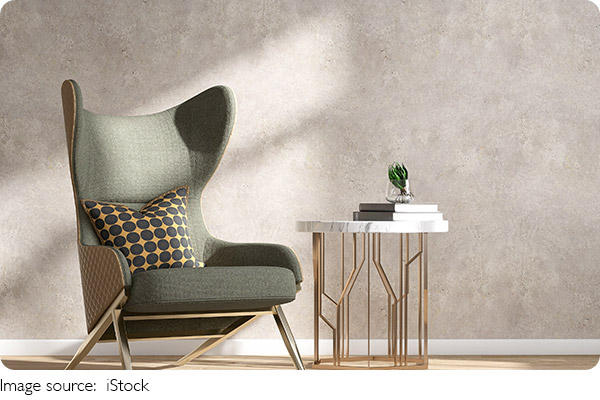
Best Colors to Pair With It
Deep gray plays well with a surprisingly wide group of colors. Crisp white creates a clean, tailored look. Beige and greige make it feel softer and more relaxed. Navy can add depth for a dramatic palette, while blush, dusty blue, sage, and muted green can bring in gentleness. Metallic accents like brass or silver also work nicely, giving the room a little sparkle without turning it into a stage show.
If you want a more energetic look, small touches of mustard, rust, or teal can wake the room up. The trick is proportion. Let deep gray handle the large areas, then use accent shades in pillows, art, vases, or throws. Think of gray as the steady sofa and the accent colors as the fun guests who know exactly when to arrive and when to leave.
Texture Matters More Than You Think
When decorating with a dark neutral, texture is not optional. It is the secret sauce. A room full of flat dark gray surfaces can feel dull, even if the color itself is beautiful. Mixing materials gives the eye something to enjoy. Try linen curtains, a woven rug, velvet cushions, matte walls, polished metal, natural wood, or ceramic decor. Even within the same color family, texture creates movement and warmth.
This is especially useful in living rooms and bedrooms, where comfort matters most. A deep gray sofa looks more inviting with soft throws and varied cushions. Deep gray bedding feels richer with quilted layers, nubby blankets, and contrasting sheets. These details stop the room from feeling stiff and make it feel lived-in in the best possible way.
Where to Use Deep Gray
Deep gray works well in living rooms, bedrooms, dining areas, and even kitchens when used thoughtfully. In a living room, it can anchor a sofa or wall color. In a bedroom, it creates a restful cocoon when paired with soft textiles and warm lighting. In dining spaces, it adds a refined mood, especially with wood furniture and simple lighting. In kitchens, deep gray cabinets can look polished and timeless when balanced with lighter counters or backsplashes.
If you are hesitant, start small. A rug, curtains, accent chair, or painted side table can help you test the mood before committing to larger changes. That approach is like trying on shoes before a long walk. Much smarter, much fewer regrets.
Deep gray is a strong, elegant choice for home decor when handled with a little care. Match the undertone to your space, bring in enough light, add contrast, and pile on texture. Do that, and deep gray stops feeling gloomy and starts feeling like the cool, collected backbone of the room. If you are refreshing your home, this shade is well worth a closer look.