The Nestbox Effect!
Ravish Kumar
| 17-06-2026
 · Animal Team
Hello, Friends! Feeding birds is often the first step people take to support wildlife, but food alone is not enough. Birds also need safe places to nest, shelter from harsh weather, and spaces to raise their young.
In many gardens and urban areas, natural nesting sites such as tree cavities are becoming harder to find. Nestboxes help fill this gap by providing secure breeding sites where birds can thrive.
Why Natural Nesting Sites Are Disappearing
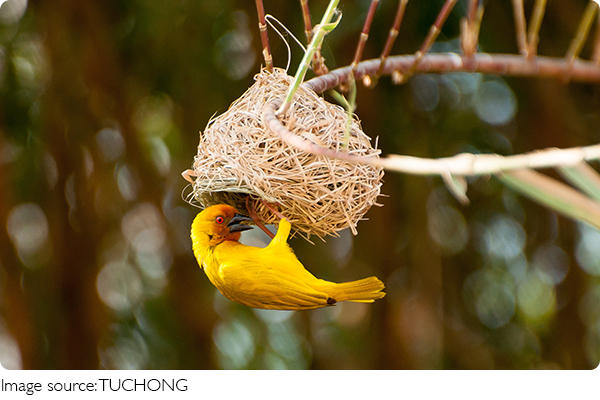
Many bird species evolved to nest in holes found in mature trees, cracks in old buildings, or sheltered cavities hidden from predators. However, these features are becoming harder to find. Modern construction methods often seal gaps and crevices in buildings. At the same time, younger ornamental trees dominate many gardens and streets, lacking the natural hollows that develop only after decades of growth.
As a result, birds that depend on cavities for nesting often struggle to locate suitable breeding sites. This loss of nesting habitat affects numerous species, including House Sparrows, Starlings, Swifts, and Barn Owls. Without safe nesting spaces close to feeding areas, breeding success can decline dramatically.
The Importance of the Right Design
Not all nestboxes are the same. Different bird species require different dimensions, entrance sizes, and placement locations. The entrance hole is particularly important. A hole that is just large enough for the intended occupant provides security by preventing larger competitors or predators from entering. It also helps shield eggs and chicks from strong winds, heavy rain, and temperature fluctuations.
For example, small cavity-nesting birds such as chickadees, nuthatches, and other similar species prefer compact entrance holes, while larger birds require wider openings. Robins are an exception. Rather than enclosed boxes with circular entrances, they favor open-fronted designs that resemble the sheltered ledges and recesses they naturally use. Choosing the correct nestbox style greatly increases the likelihood that birds will accept it.
Giving Declining Species a Helping Hand
Several familiar bird species have experienced substantial population declines due to habitat loss and changing landscapes. Nestboxes can provide practical support where natural nesting opportunities are limited.
Starlings readily occupy suitable nestboxes and often return to successful sites year after year. Swifts, famous for spending most of their lives in the air, depend heavily on cavities in older buildings. As renovations remove these openings, specially designed Swift boxes can replace lost nesting sites.
House Sparrows are highly social and frequently prefer nesting close to one another. Installing multiple boxes together can create small nesting colonies, sometimes referred to as a "sparrow street." This arrangement mimics their natural behavior and can encourage long-term occupation.
Larger nestboxes also benefit birds of prey. In some regions, nestboxes have become so successful that a substantial proportion of Barn Owls now breed in artificial nesting sites rather than natural cavities.
Maintaining a Healthy Nestbox
A nestbox requires occasional maintenance to remain safe and attractive to birds. Autumn is generally the best time for cleaning because most breeding activity has finished. Old nesting material should be removed after confirming that the box is no longer in use. This helps reduce parasites such as mites and fleas that may affect future occupants.
Cleaning should be done using boiling water rather than chemical treatments. Insecticides can leave residues that may harm developing chicks. After washing, the box should be allowed to dry thoroughly before being rehung. Interestingly, an empty nestbox may continue to provide value throughout winter. Small mammals sometimes use cleaned boxes as temporary shelter, while birds may roost inside on cold nights to conserve heat.
Fascinating Behaviors Around Nestboxes
Installing a nestbox offers a rare opportunity to observe bird behavior at close range. Small cavity-nesting birds are often seen pecking around entrance holes before the breeding season. While this may appear destructive, researchers believe the behavior may play a role in courtship or help birds assess the quality, safety, and suitability of a nesting site.
By inspecting and modifying the entrance area, birds may be evaluating whether the cavity can provide adequate protection for future chicks. Such behaviors offer valuable insights into how birds choose and prepare their nesting locations. Nuthatches display one of the most remarkable nesting habits. They frequently modify the entrance using mud, carefully reshaping the opening until it matches their body size. This customized doorway helps keep larger intruders out.
Competition can also be intense. Some species rapidly claim occupied sites and build nests over existing material. Such behavior highlights the constant struggle for limited nesting opportunities in the wild. During winter, nestboxes become communal shelters. Small birds often crowd together inside a single box, sharing body heat to survive freezing temperatures. In extreme cases, dozens of Wrens have been recorded roosting together in one nestbox.
Protecting Birds from Predators and Intruders
While nestboxes provide security, they can also attract unwanted visitors. Predators such as cats, squirrels, rats, weasels, and woodpeckers may attempt to access nests. Protective metal plates around entrance holes can help prevent squirrels or woodpeckers from damaging the opening and gaining access to the nest. Positioning boxes away from easy climbing routes and surrounding them with thorny vegetation can provide additional protection.
Insects occasionally occupy nestboxes as well. Bees, wasps, and earwigs may move in after birds have finished breeding. In many cases, these insects are beneficial components of local ecosystems and should be left undisturbed. If a box repeatedly attracts insects, it can simply become a dedicated wildlife shelter while another nestbox is installed nearby.
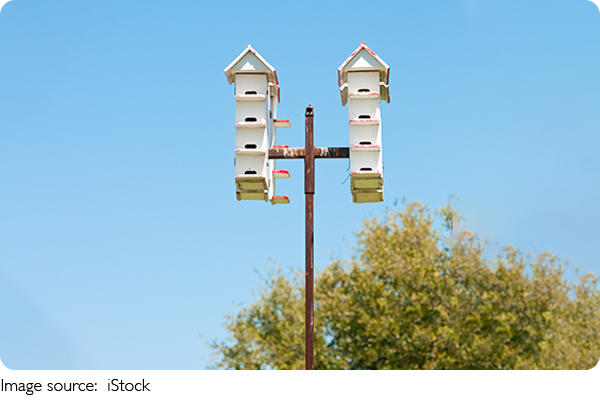
A nestbox is far more than a wooden container attached to a wall or tree. It can become a nursery, a winter refuge, a safe shelter from storms, and a crucial lifeline for species facing habitat loss. By choosing the right design, placing it carefully, and maintaining it responsibly, anyone can contribute to the survival of local bird populations.