Helping Injured Wildlife

Santosh Jha
| 09-05-2026
 · Animal Team
You're walking through the park or driving down the road, and suddenly you spot an injured animal. It could be a bird with a broken wing, a squirrel caught in a trap, or a fox that's been hit by a car.
What should you do? Many of us want to help, but we're unsure how. Helping injured wildlife is not only rewarding, but it can also be crucial for their survival. Here's a guide on how to assist injured animals safely and responsibly.
1. Stay Calm and Assess the Situation
When you find an injured animal, the first thing to do is remain calm. Panicking can make the situation worse. Take a moment to assess the injury and decide the best course of action. Ask yourself: Is the animal in immediate danger, such as being near traffic? Does it seem to be in pain or distress?
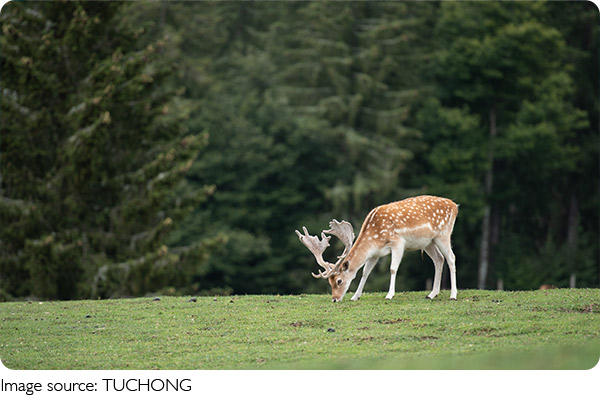
If the animal is in danger (e.g., on a busy road), carefully move it to a safer spot, but only if it's safe for you to do so. For example, a car accident victim like a deer might need immediate attention, but rushing towards an injured wild animal can be dangerous for both you and the animal. In some cases, it's better to observe from a distance and wait for professional help.
2. Contact a Wildlife Rescue Organization
After assessing the situation, it's best to call in professionals who can handle injured wildlife. Many regions have local wildlife rescue organizations or animal shelters that specialize in rescuing and rehabilitating injured animals.
Find the number of your nearest wildlife rescue organization and explain the situation. They will guide you on what to do next, whether that's transporting the animal to them or providing immediate care until help arrives. For instance, in the U.S., the Wildlife Rehabilitation Center can offer step-by-step guidance and even come to your location if necessary.
If you're unsure where to find these services, a quick internet search using your location and “wildlife rescue” can lead you to the closest organization. Additionally, some areas have emergency lines specifically for animal-related incidents.
3. Provide Temporary Care
While waiting for help to arrive, providing temporary care can make a difference. However, it's important to remember that wild animals are not domesticated, and handling them improperly can cause stress or harm.
Here's how to provide safe, temporary care:
1. Minimize contact: Wear gloves when handling the animal to avoid transferring your scent or putting yourself at risk of injury.
2. Create a safe space: Place the animal in a small, secure box or container with ventilation. Make sure it's dark and quiet to reduce stress.
3. Avoid feeding or giving water: Injured animals often have specific dietary needs, and feeding them improperly can worsen their condition. Wait until you can consult with a wildlife expert.
An example of effective temporary care comes from the rehabilitation of injured birds. In many cases, rescuers advise placing the bird in a dark box to keep it calm until a veterinarian can assess its injuries.
4. Know When to Let Professionals Handle It
In some cases, the animal may appear to be too seriously injured for you to help. Whether it's a broken limb or an animal that's unconscious, the safest bet is often to call in professionals right away.
For example, many birds of prey, like owls or hawks, require special care that only trained rehabilitators can provide. These birds need careful handling due to their strength and sharp talons, and rehabilitation requires specific knowledge of their diet and behavior.
In cases where the animal is severely injured or unlikely to recover, wildlife professionals will know how to proceed with dignity and care. They may take the animal for euthanasia if recovery is not possible, ensuring the animal does not suffer unnecessarily.
5. Prevent Future Incidents
After helping an injured animal, it's time to think about how to prevent similar situations in the future. There are many ways to protect wildlife and help prevent injuries in your area.
1. Drive cautiously: Keep an eye out for animals crossing the road, especially at dusk or dawn when they are more active. Slow down in areas known for wildlife activity.
2. Create safe spaces for wildlife: If you have a garden or outdoor space, make it wildlife-friendly by adding fencing, planting trees, or creating shelters for local animals.
3. Educate others: Spread awareness about how to protect local wildlife. Share information on social media or organize local campaigns to teach your community about safe driving, avoiding traps, and protecting animals from other dangers.
An inspiring example comes from a group of neighbors in a small town who partnered with local wildlife organizations to build wildlife corridors that allow animals to safely cross roads. These efforts significantly reduced wildlife injuries in the area.
6. Be Prepared for Emergencies
The best way to help injured wildlife is by being prepared. Keep a list of wildlife rescue organizations, local veterinarians, and emergency contact numbers handy. Educate yourself about common wildlife species in your area and their specific needs.
Consider creating an emergency kit for wildlife situations, which could include:
1. Gloves and a towel: For handling injured animals safely.
2. A portable container: To safely transport small injured animals.
3. First-aid items: For minor injuries while waiting for professional help.
Some wildlife rescue organizations even offer courses for the public, teaching how to respond to wildlife emergencies. This knowledge can empower you to make a real difference when you find an injured animal.
Conclusion: Every Effort Counts
Helping injured wildlife might seem intimidating at first, but by staying calm, calling for help, and offering temporary care, you can make a significant difference in the lives of animals. Whether you're preventing future incidents or offering immediate aid, every small action adds up. By working together and being prepared, we can protect wildlife in our communities, ensuring that our wild neighbors thrive.