Wind Holds Beauty
Mason O'Donnell
| 01-05-2026
 ·
· Windy anime moments often feel beautiful because they show emotion through movement instead of explanation. A character standing still can suddenly feel alive when hair, clothing, ribbons, grass, or curtains respond to the air around them. The force itself cannot be seen, but its effect can be felt through everything it touches. That makes wind a powerful visual tool. It adds rhythm, direction, atmosphere, and emotional pressure to scenes that might otherwise appear quiet. A simple breeze can suggest change, freedom, hesitation, or the start of something important.
Invisible Motion
Air becomes visible only when objects react to it. This gives artists a useful way to show movement without making the character move much. Flowing hair, lifted sleeves, shifting fabric, and bending plants can all suggest direction and force. The scene gains energy while the central figure remains readable. This contrast is one reason windy moments feel so graceful. Stillness and motion exist together, creating visual tension without cluttering the frame.
Hair And Fabric
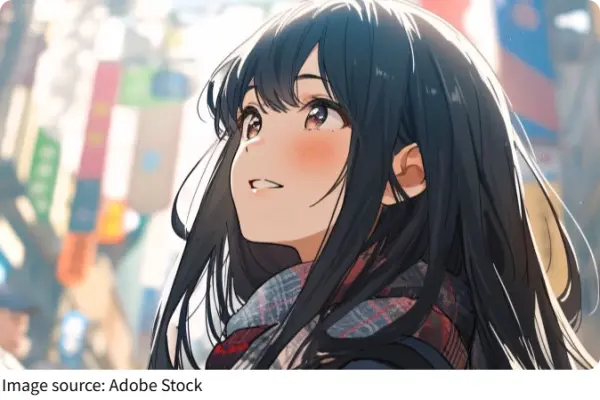
Hair and clothing are often the clearest signs of a breeze. Their movement can show whether the air is gentle, sudden, or strong. Long strands may trail slowly, while loose fabric can ripple in layered waves. These details make the moment feel physically present. They also reveal mood. A light flutter can feel calm and romantic, while sharper movement can make the scene feel urgent. The material tells the viewer how the atmosphere behaves.
Scene Direction
Wind gives a composition direction. If everything moves from left to right, the viewer feels that pull across the frame. This can support the story's emotional movement, such as a character looking toward a distant place or preparing to leave. Directional motion makes the scene feel less static. It can guide the eye from the character to the background, or from the foreground toward a meaningful object. The air becomes part of the visual storytelling.
Nature Response
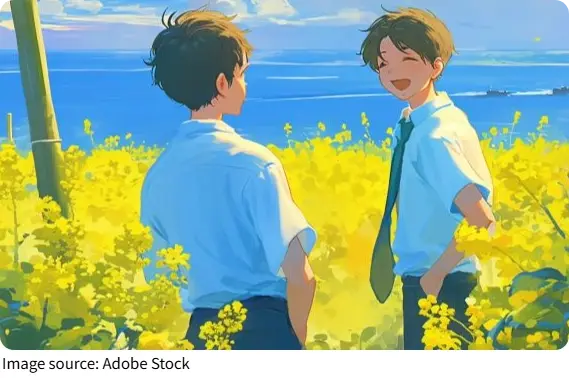
Surrounding details help make the effect believable. Leaves, grass, curtains, loose paper, and small accessories can all respond differently depending on their weight. When these reactions vary, the scene feels richer. Everything should not move in the exact same way. A soft object may lift quickly, while a heavier one moves more slowly. This difference gives the moment texture and helps the environment feel connected to the character.
Emotional Lift
Movement through air often adds emotional release. A breeze can make a quiet scene feel hopeful, as if the mood is opening. It can also create loneliness when a character stands still while the world moves around them. That flexibility makes it useful for many tones. In anime-style art, wind can carry unspoken feeling. It turns internal emotion into visible motion, letting the viewer sense what the character may not say.
Timing Rhythm
In animation, timing decides whether the movement feels natural. A steady flow can feel calm, while uneven bursts create surprise or tension. Hair and fabric should not move like solid objects. They need delay, overlap, and follow-through. Even in still illustration, artists suggest this rhythm through curved shapes and directional lines. The viewer can imagine the movement continuing, which makes the scene feel alive beyond a single frozen pose.
Atmospheric Space
Open environments make windy moments stronger. Rooftops, fields, hill paths, beaches, bridges, and wide skies give the air room to feel present. The setting does not need to be dramatic. What matters is that the space supports the motion. A small gust inside a room feels intimate, while movement across a broad landscape can feel expansive. The location changes how the viewer reads the same visual effect.
Controlled Beauty
Too much motion can distract from the emotion. Strong artists keep the focal point clear while letting secondary elements move around it. The face, pose, or main silhouette should remain readable. Hair and fabric can add beauty, but they should not hide the expression or confuse the composition. The most effective windy scenes balance elegance with clarity. Movement supports the feeling instead of taking over the moment.
Conclusion:
The hidden beauty of windy anime moments comes from making invisible force visible through detail. Hair, fabric, nature, and small objects react to the air, creating motion that can feel calm, hopeful, dramatic, or reflective. Direction guides the eye, timing creates rhythm, and controlled movement keeps the scene readable. Wind works so well because it turns atmosphere into emotion. It lets a quiet moment breathe without needing heavy dialogue or action. Which windy detail feels most beautiful: flowing hair, moving clothing, or a wide scene filled with shifting air?