Vase Styling Tips

Pankaj Singh
| 24-04-2026
 · Lifestyle Team
A quiet corner of a room often feels unfinished—until a single vase changes everything.
It doesn't need to be large or expensive. The right placement, shape, and styling can instantly add structure, height, and visual balance. A vase is not just a container; it's a design tool that quietly defines space.
Choose the Right Vase Shape
The shape of the vase determines how it interacts with the room. Tall, narrow vases create vertical emphasis, while wider ones feel grounded and stable.
• Slim vases work well on shelves and narrow tables
• Round vases soften sharp interior lines
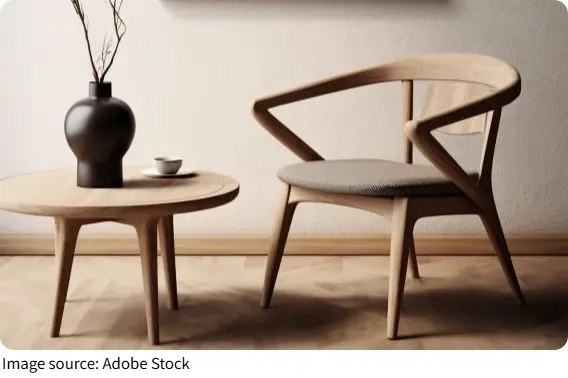
• Sculptural designs act as standalone decorative pieces
Always match the vase shape to the surrounding furniture proportions.
Placement Makes the Difference
Where you place a vase matters more than what you put in it. A well-positioned vase can anchor a space or guide the eye naturally across a room.
1. Entryway console: creates a welcoming focal point
2. Dining table center: adds height without blocking sightlines
3. Coffee table corner: balances horizontal surfaces
4. Shelf edges: breaks monotony in linear arrangements
Avoid placing vases exactly in the center of every surface—slight asymmetry feels more natural.
What to Put Inside
A vase doesn't always need fresh flowers. The contents should match the mood and style of the room.
• Fresh flowers bring movement and color
• Dried stems offer texture and long-lasting structure
• Single branches create a minimalist, architectural look
Less is often more. Overfilling a vase can reduce its visual impact.
Height and Layering Techniques
Combining vases of different heights creates depth and dimension. Instead of using one large piece, grouping smaller ones can feel more dynamic.
• Pair a tall vase with one or two shorter pieces
• Keep spacing consistent to avoid clutter
• Use odd-number groupings for a more natural composition
Layering works especially well on wide surfaces like sideboards or long tables.
Color Coordination
Color should complement the room, not compete with it.
• Neutral vases blend easily with most interiors
• Dark tones add contrast in lighter spaces
• Transparent glass creates a light, open feeling
If the room already has strong colors, keep the vase simple. If the space is minimal, a bold vase can act as a focal point.
Material Choices and Texture
The material of the vase affects how it interacts with light and surrounding elements.
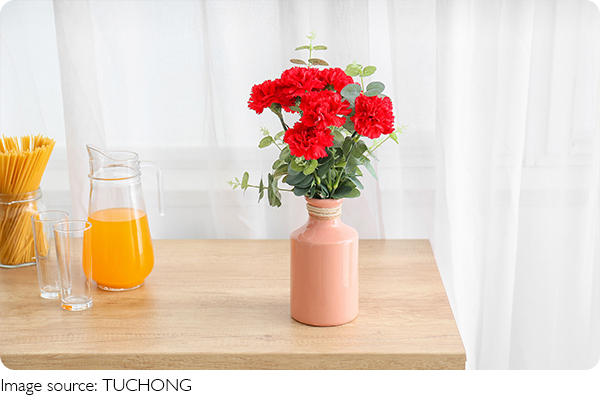
• Ceramic adds warmth and a handcrafted feel
• Glass reflects light and keeps the space airy
• Metal introduces a more structured, modern look
Mixing materials carefully can add subtle contrast without overwhelming the space.
Common Mistakes to Avoid
Small errors can reduce the overall effect:
• Using vases that are too small for large surfaces
• Placing them too high or too low relative to eye level
• Overcrowding multiple decorative items in one area
Each vase should have enough space to stand out.
When It All Comes Together
A well-placed vase doesn't demand attention—it quietly completes the room. The balance feels natural, the proportions align, and the space gains a sense of intention. What was once an empty corner becomes part of the room's rhythm, shaped by something as simple as a carefully chosen form.