Bedroom Rug Guide

Pardeep Singh
| 24-04-2026
 · Lifestyle Team
The first step out of bed sets the tone for the entire day. A cold floor feels abrupt, while a soft rug creates a gentle transition from rest to movement.
Choosing the right bedroom rug is not just about decoration—it directly shapes comfort, layout, and the overall atmosphere of the space.
Start With the Right Size
Size is the foundation of a good rug choice. A rug that is too small can make the room feel disconnected, while one that is too large may overwhelm the layout.
• For a queen or king bed, the rug should extend beyond both sides
• For smaller beds, partial placement under the lower half works well
• In compact rooms, two side rugs can replace one large piece
The goal is to ensure your feet land on the rug when getting in and out of bed.

Placement That Feels Natural
Where the rug sits is just as important as its size. Placement should support how the room is used daily.
1. Fully under the bed for a unified, anchored look
2. Half under the bed to highlight the sleeping area
3. Alongside the bed for a minimal, functional approach
4. At the foot of the bed for visual balance
Avoid placing rugs randomly—alignment with furniture creates a cleaner layout.
Material Affects Comfort
The material of the rug determines how it feels underfoot and how easy it is to maintain.
• Wool offers softness and durability
• Cotton is lightweight and easy to clean
• Synthetic fibers are budget-friendly and resistant to wear
For bedrooms, comfort should be prioritized since the rug is often used barefoot.
Pile Height and Texture
Pile height refers to how thick or plush the rug feels.
• Low pile: easier to clean and suitable for high-traffic areas
• Medium pile: balanced comfort and practicality
• High pile: soft and cozy, ideal for creating a warm atmosphere
A slightly softer texture often works best in bedrooms, adding a sense of calm.
Color and Pattern Choices
Color influences how the room feels visually.
• Neutral tones create a calm, relaxing environment
• Dark shades add contrast and depth
• Subtle patterns introduce detail without overwhelming the space
Match the rug with bedding and curtains to keep the design cohesive.
Matching the Room Style
The rug should align with the overall interior style rather than compete with it.
• Minimalist rooms benefit from simple, solid designs
• Modern interiors can handle geometric patterns
• Warm-toned rooms pair well with textured or woven rugs
Consistency in style helps the room feel intentional.
Practical Considerations
A good rug should also be easy to live with.
• Non-slip backing improves safety
• Easy-clean materials reduce maintenance effort
• Durable construction extends lifespan
These details may not be visible at first, but they make a noticeable difference over time.
Common Mistakes to Avoid
Even a well-designed room can feel off if the rug choice is wrong.
• Choosing a rug that is too small for the bed
• Ignoring how the rug aligns with furniture
• Overloading the space with bold patterns
Keeping things balanced ensures the rug enhances rather than distracts.
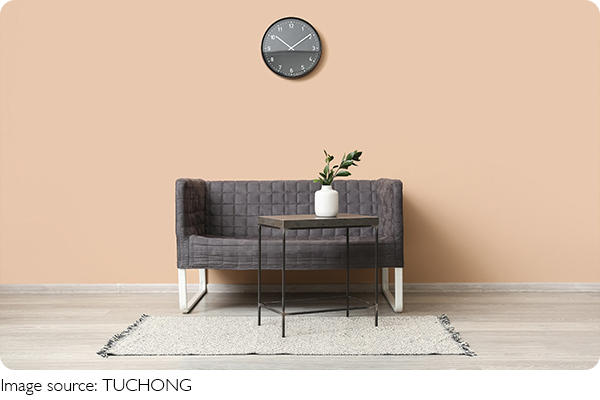
Comfort That Shapes the Room
A well-chosen bedroom rug does more than fill empty floor space. It softens movement, defines areas, and adds warmth without effort. The right combination of size, placement, and material creates a subtle but lasting impact—turning an ordinary room into a space that feels complete from the moment you step into it.