Plant Pruning Guide

Ravish Kumar
| 18-03-2026
 · Plant Team
Healthy houseplants don't just depend on watering and sunlight.
Pruning is another essential practice that helps plants stay strong, balanced, and visually appealing. Without occasional trimming, indoor plants may develop weak stems, uneven growth, or crowded foliage that limits their overall vitality.
Many plant owners hesitate to prune because they worry about damaging their plants. In reality, careful trimming often improves growth rather than harming it. Removing unnecessary or unhealthy growth allows plants to redirect energy toward new leaves and stronger stems.
Learning when and how to prune correctly can transform the appearance of your indoor plants. With a few simple techniques, you can encourage fuller growth while maintaining a neat and attractive shape.
Choosing the Right Time to Prune
Trim at the beginning of the growing season
Timing plays an important role in successful pruning. Most indoor plants respond best when pruning is done at the start of their active growth phase. As daylight increases and plants begin producing new shoots, trimming at this stage encourages strong and balanced development. Removing old growth early allows the plant to focus its energy on fresh leaves and healthier stems.
Prune flowering plants after blooming
Flowering houseplants require a slightly different approach. If pruning is done too early, you might accidentally remove buds that have not yet opened. To avoid this, it is best to wait until the plant finishes a full cycle of blooming. After the flowers fade, trimming helps maintain the plant's shape and prepares it for the next flowering period.
Proper Techniques for Pruning
Prepare clean and sharp tools
Before beginning any pruning task, make sure your cutting tools are clean and sharp. Using sterilized scissors or pruning shears helps prevent the spread of disease between plants. Tools can be disinfected with a simple cleaning solution or briefly exposed to heat to eliminate harmful microorganisms. Sharp blades also produce cleaner cuts, which reduces the chance of infection and allows the plant to heal more quickly.
Trim carefully to shape the plant
Step back and observe your plant before making any cuts. Visualizing the desired shape helps ensure balanced pruning. A helpful guideline is to avoid removing too much foliage at once. Limiting pruning to a moderate portion of the plant keeps it healthy while still encouraging fresh growth. Removing excessively long or thin stems also improves the plant's overall appearance and structure.
Cut near growth points for better branching
When trimming stems, it is important to cut near a node, the small area where a leaf connects to the stem. These points contain dormant buds that can produce new shoots. After pruning, new branches often develop from these locations, creating a fuller and bushier plant. For plants with softer stems, gently pinching the growing tips can achieve a similar effect and promote compact growth.
Plants That Should Be Pruned Carefully
Avoid trimming certain plant types
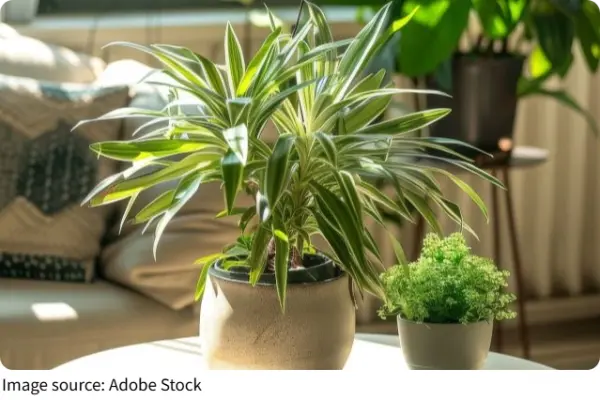
Although most houseplants respond well to pruning, a few types should be handled with extra care. Some species do not regrow properly if their main growing tip is removed. For these plants, cutting the top portion can permanently halt upward growth.
Remove only damaged foliage when necessary
Even for plants that should not be heavily pruned, removing damaged or dead leaves is still beneficial. Trimming away unhealthy foliage helps maintain the plant's appearance and reduces the risk of pests or disease spreading through the plant.
Pruning is a valuable technique that supports both the health and beauty of indoor plants. When done at the right time and with proper tools, trimming encourages stronger growth, improves shape, and removes damaged foliage that may hinder development.
By observing your plants carefully and pruning with a thoughtful approach, you can create fuller, healthier houseplants that enhance the atmosphere of your home. Regular pruning not only keeps plants tidy but also promotes long-term vitality and balanced growth.