The Mobile Game Takeover

Amit Sharma
| 06-03-2026
 ·
· 
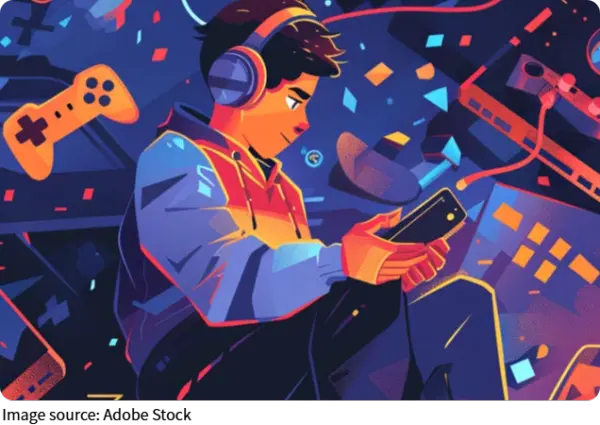
Mobile gaming has gained remarkable momentum globally, captivating millions with its interactive offerings. For *Lykkers* and gaming enthusiasts alike, this surge is fueled by talented developers crafting engaging experiences that resonate with diverse audiences.
As gaming becomes increasingly accessible and affordable, it's important to explore the keys behind this expanding phenomenon, from its humble beginnings to anticipated future innovations.
Device Shift
The advent of powerful smartphones disrupted traditional consoles and dedicated handhelds. Suddenly, devices in pockets boasted multi-core processors and vivid touchscreens, turning brief waits at bus stops into gaming sessions. This convergence of convenience and capability rewrote how entertainment integrates into daily routines.
Pocket Power
Modern mobiles rival early gaming rigs. High-refresh-rate displays, gyroscopes, and haptic feedback deliver console-style immersion. Racing games respond to subtle tilts, while first-person shooters adapt recoil to finger pressure. Studios invest in mobile-optimized engines, ensuring graphics and performance scale across flagship phones and budget models alike.
Japanese Roots
The late 1990s in Japan birthed the first wave of mobile games. Titles like Snake on Nokia devices and Japan’s i-Mode offerings captivated users with simple, addictive mechanics. Despite monochrome screens and limited memory, these pioneers showcased the potential of gaming beyond living rooms, inspiring global interest in pocket-sized play.
Java Era
Mid-2000s saw the rise of Java-based games on feature phones. Developers crafted strategy sims, 2D platformers, and sports titles that ran on diverse hardware. Games like FIFA Mobile and turn-based RPGs introduced deeper narratives and progression systems, teaching studios to optimize code and art assets for varying screen sizes and input methods.
Free-to-Play Wave
The early 2010s introduced the free-to-play revolution. Titles like Candy Crush and Clash of Clans offered core gameplay at no cost, monetizing through optional in-app purchases—extra lives, cosmetic skins, and power-ups. This model broadened audiences, allowing players of all ages to engage without upfront fees while sustaining developers through microtransactions.
Social Gaming
Mobile titles integrated social features to deepen engagement. Leaderboards invited friendly competition; co-op raids in strategy games fostered virtual alliances. In one viral trend, players coordinated real-time raids on fantasy bosses via group chats. Sharing achievements on social feeds and gifting lives to friends turned solitary play into community-driven experiences.
AR Experiences
Augmented reality delivered a new frontier. Pokémon Go transformed neighborhoods into interactive hunting grounds, blending GPS data with animated creatures. Park meetups for raids brought strangers together in real life, proving games could spur social gatherings. Meanwhile, AR puzzles overlay digital clues on physical surroundings, inviting exploration on morning walks.
5G & Cloud
The rollout of 5G networks and cloud gaming platforms promises console-quality titles on phones without local installs. High-speed, low-latency streams let players dive into AAA shooters and sprawling RPGs on any device. Commuters can pick up their adventure mid-stream, while spectators tune into live mobile tournaments with minimal buffering.
Developer Edge
Modern creators harness robust cross-platform engines like Unity and Unreal, leveraging built-in analytics to refine gameplay post-launch. Ethical design practices—optional playtime reminders and accessible difficulty settings—ensure fun without fostering unhealthy habits. Comprehensive tutorials guide newcomers through monetization, user retention, and inclusive design for global audiences.
Emerging Trends
Future innovations hint at AI-driven narratives, where games adapt storylines to player choices. Wearable integrations promise heartbeat-sensitive challenges, syncing virtual events with real-world biometrics. Meanwhile, subscription services offer curated libraries, echoing streaming platforms, and encouraging experimentation with niche genres and indie gems.
Conclusion
From monochrome puzzles to AR-infused odysseys, mobile gaming has reshaped leisure across generations. By embracing technological advances responsibly—balancing screen time with real-world connections—Lykkers can continue tapping, swiping, and tilting toward ever richer adventures, right from the palm of their hand.