Wheat

Chandan Singh
| 26-02-2026
 · Lifestyle Team
Wheat is everywhere—on our tables, in baked goods, and even in unexpected products.
Yet, most people don't realize just how interesting this humble grain really is. From its growth patterns to its nutritional role, wheat has layers of facts that make it more than just flour in a bag.
Exploring these details can change the way you see everyday foods and inspire new ways to enjoy them.
1. Wheat Varieties and Their Uses
Hard vs. soft wheat for texture
Different types for breads, pastries, and noodles
Specialty wheat adds flavor and nutrients
Wheat isn't a single crop—it comes in several varieties. Hard wheat has a higher protein content, ideal for making bread with strong structure, while soft wheat is perfect for pastries and cakes because it yields a tender texture. There are also specialty types, like spelt or einkorn, which provide unique flavors and nutritional profiles.
Actionable tip:
Try baking bread at home using hard wheat flour for better texture, then experiment with spelt flour in muffins for a nuttier taste and extra nutrients. Observing how different wheat types behave can be both fun and educational.
2. Nutritional Highlights of Wheat
Provides energy through complex carbohydrates
Rich in dietary fiber for digestion
Contains essential vitamins and minerals
Wheat is a nutritional powerhouse. Its complex carbohydrates supply long-lasting energy, making it a staple for meals. Whole wheat also contains fiber, which supports healthy digestion and helps maintain steady energy levels throughout the day. Minerals like magnesium and B vitamins support metabolism and overall wellness.
Actionable tip:
Swap refined white flour for whole wheat in everyday recipes like pancakes or pasta to increase fiber intake and keep you feeling full longer. This simple change also enhances flavor naturally.
3. Wheat's Growth and Harvesting Secrets
Grows in various climates with adaptability
Can be planted multiple times a year in some regions
Harvest techniques affect quality and flavor
Wheat adapts to many environments, from temperate fields to slightly warmer regions. Its growth cycle usually takes about four to six months, and careful harvesting ensures optimal texture and flavor. Techniques like timing the harvest and controlling moisture content are crucial to getting the best flour.
Actionable tip:
Visit a local farm or community garden during harvest season. Seeing wheat's full growth process—from planting to cutting—helps you appreciate the effort behind everyday bread and pasta.
4. Wheat and Its Cultural Significance
Central to bread, a global staple
Used in traditional foods across regions
Symbolizes abundance and nourishment
Bread and other wheat-based foods have been part of human diets for thousands of years. It's more than food; wheat often represents sustenance, prosperity, and celebration in various cultures. Even simple dishes like flatbreads or muffins reflect centuries of culinary innovation.
Actionable tip:
Experiment with recipes inspired by different cultures, like making flatbreads or wheat porridge. This connects you to the long history of wheat while diversifying your diet.
3. Wheat's Growth and Harvesting Secrets
Grows in various climates with adaptability
Can be planted multiple times a year in some regions
Harvest techniques affect quality and flavor
Wheat adapts to many environments, from temperate fields to slightly warmer regions. Its growth cycle usually takes about four to six months, and careful harvesting ensures optimal texture and flavor. Techniques like timing the harvest and controlling moisture content are crucial to getting the best flour.
Actionable tip:
Visit a local farm or community garden during harvest season. Seeing wheat's full growth process—from planting to cutting—helps you appreciate the effort behind everyday bread and pasta.
4. Wheat and Its Cultural Significance
Central to bread, a global staple
Used in traditional foods across regions
Symbolizes abundance and nourishment
Bread and other wheat-based foods have been part of human diets for thousands of years. It's more than food; wheat often represents sustenance, prosperity, and celebration in various cultures. Even simple dishes like flatbreads or muffins reflect centuries of culinary innovation.
Actionable tip:
Experiment with recipes inspired by different cultures, like making flatbreads or wheat porridge. This connects you to the long history of wheat while diversifying your diet.
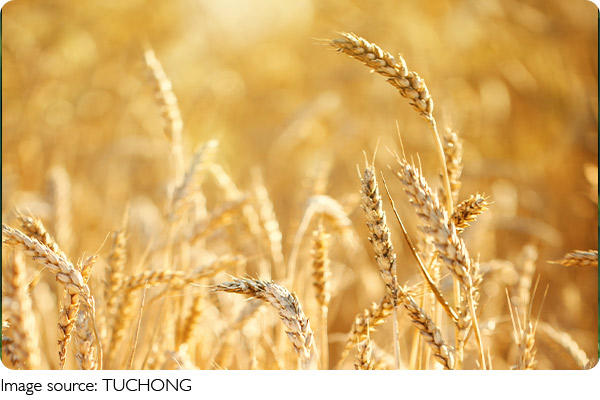
5. Fun Facts About Wheat Processing
Whole wheat vs. refined flour
Gluten formation shapes texture in baking
Modern milling creates versatile products
When wheat is milled, it can become whole grain flour, which keeps the bran and germ, or refined flour, which removes them for finer texture. Gluten, a protein in wheat, gives dough elasticity and helps it rise, making bread airy and light. Modern processing also allows wheat to be turned into pasta, cereal, or even snack bars.
Actionable tip:
Try making your own bread or pasta at home using freshly milled wheat flour if available. Watching how dough forms and rises is a hands-on way to understand wheat's unique properties.
Wheat is more than a cooking ingredient—it's a versatile, nutritious, and historically significant grain. By exploring its types, nutritional benefits, and processing methods, you can appreciate the full story behind your favorite baked goods. Next time you slice a piece of bread or cook pasta, remember that every bite is the result of centuries of cultivation, care, and culinary creativity.