Swans: Love & Loyalty

Santosh Jha
| 29-01-2026
 · Animal Team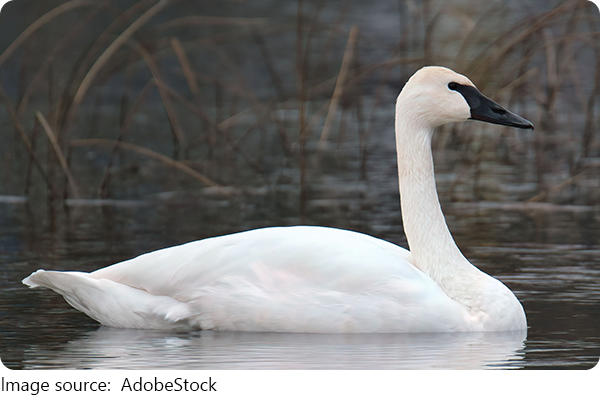
Swans have captivated human imagination for centuries, gliding across lakes and rivers with elegance and grace.
Beyond their aesthetic appeal, these birds carry deep symbolic meaning, particularly as emblems of love, fidelity, and loyalty.
From folklore to biology, the qualities that make swans revered in human culture are rooted in both their behavior and their cultural interpretations. Understanding why swans are associated with these ideals offers insight into the intersection of nature, symbolism, and human admiration.
Lifelong Pair Bonds
One of the primary reasons swans symbolize love and loyalty is their tendency to form lifelong pair bonds. Unlike many bird species that mate seasonally, swans often choose a single partner for life. This monogamous behavior makes them powerful natural representations of commitment.
Swans engage in elaborate courtship rituals, including synchronized swimming, mutual preening, and duets of soft calls. These behaviors not only reinforce the pair bond but also demonstrate mutual recognition and cooperation. Observing a pair of swans moving in harmony—mirroring each other’s movements and maintaining close proximity—provides a visual metaphor for enduring partnership, trust, and shared life goals.
Nurturing Families and Protecting Offspring
Swans are devoted parents, further reinforcing their symbolic connection to love and loyalty. Both male and female swans actively participate in building nests, incubating eggs, and protecting cygnets from predators. The dedication to nurturing their young illustrates a broader commitment to family and continuity, a trait humans often associate with deep emotional bonds.
The male swan, or cob, is particularly protective, frequently positioning himself between threats and the nest, demonstrating courage and vigilance in safeguarding his mate and offspring. This visible demonstration of care strengthens the cultural association of swans with devotion and unwavering loyalty.
Cultural and Mythological Symbolism
Throughout history, swans have appeared in myths, legends, and art as symbols of love, fidelity, and beauty. In Greek mythology, the swan is associated with Aphrodite, representing love, and Apollo, connected to the sun and harmony. Swans were believed to represent idealized love and artistic perfection, reinforcing the perception of swans as creatures of elegance and devotion.
In medieval European literature, swans frequently symbolize marital fidelity. Illustrations often depicted swans facing each other with necks forming a heart shape, an enduring image that continues to influence wedding motifs and romantic symbolism today. Folktales from various cultures portray swans as faithful companions, sometimes even transforming into humans to teach lessons about loyalty and true love.
Behavioral Traits That Inspire Admiration
Beyond their pair bonding, swans exhibit behaviors that resonate with human ideals of loyalty and cooperation. Swans communicate constantly with vocal calls and body language, ensuring coordination with their mate. Their synchronized movements and mutual responsiveness reflect a relationship based on understanding, patience, and harmony.
Even in challenging circumstances, swans often remain devoted to their partner. Injured or separated individuals frequently reunite after periods apart, suggesting resilience and a form of emotional attachment that inspires awe and admiration. Such natural behaviors underscore why humans have long looked to swans as examples of commitment and steadfastness.
Visual Symbolism of Grace and Unity
The elegance of swans’ physical presence further enhances their symbolic association with love. Their long, curved necks, smooth white plumage, and serene movements evoke purity, beauty, and harmony. When two swans swim together, often forming mirrored shapes with interlocking necks, the image conveys balance, unity, and emotional connection. This visual representation reinforces the cultural interpretation of swans as icons of romantic devotion.
Modern Interpretations and Uses
Today, swans continue to inspire art, literature, and wedding traditions, maintaining their status as symbols of love and loyalty. Jewelry designs, home décor, and romantic imagery frequently feature swans in pairs, emphasizing themes of lifelong commitment. Conservation programs also highlight the family-oriented behaviors of swans, encouraging people to appreciate their social and nurturing traits in natural habitats.
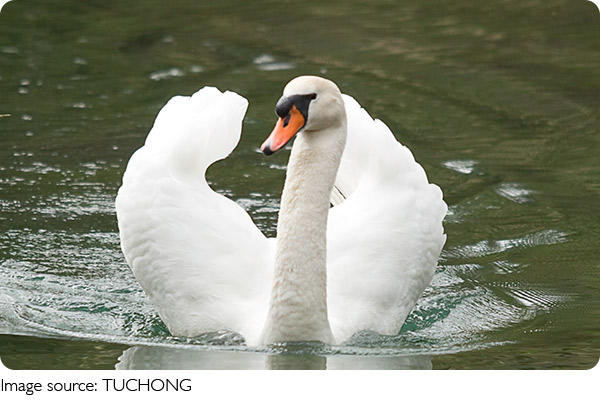
Swans are revered symbols of love and loyalty because of their lifelong pair bonds, attentive parenting, harmonious behavior, and graceful presence. In both nature and imagination, swans glide gracefully as living emblems of devotion—inviting admiration, reflection, and the timeless celebration of love that withstands the currents of life.