Worker: Need Helmet?

Ethan Sullivan
| 04-05-2025
 · Lifestyle Team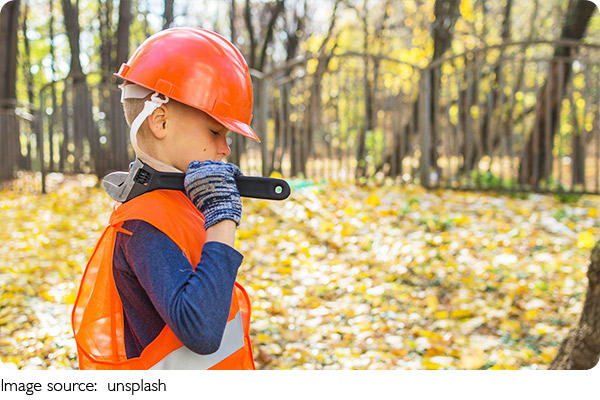
Safety helmets are essential in many high-risk environments, from construction sites to manufacturing plants.
Their primary function is to protect workers from head injuries caused by falling objects, debris, or impacts with hard surfaces.
But the importance of safety helmets goes beyond mere protection. In this article, we dive deep into why safety helmets are indispensable for worker safety, the different types available, and how they are designed to ensure maximum protection!
Understanding the Role of Safety Helmets
A safety helmet isn't just a piece of equipment, it's a critical safeguard that can save lives. Designed to absorb and distribute impact forces, helmets prevent severe injuries that could otherwise be fatal. Their impact resistance is tested rigorously to ensure they can withstand extreme conditions. Whether on construction sites, in factories, or in any hazardous work environment, a helmet can reduce the severity of head injuries and increase survival rates.
Types of Safety Helmets
Not all helmets are created equal. Various industries require specific types of helmets, each designed for particular risks. For instance, a construction helmet might have a reinforced shell to withstand falling tools, while an industrial helmet may come equipped with additional features like hearing protection or face shields. Here are a few common types:
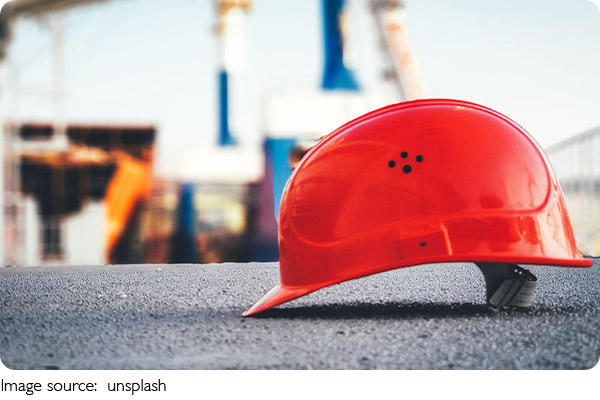
1. Hard Hats: Most commonly used in construction and manufacturing, hard hats protect against impact and falling debris.
2. Climbing Helmets: Used in construction zones with vertical structures, these helmets are lightweight yet offer high impact protection.
3. Bump Caps: Designed for low-risk environments, bump caps protect against minor bumps and scrapes but don't offer the same level of protection as hard hats.
Materials That Make Helmets Safe
The materials used in safety helmets are a key factor in their protective properties. Helmets are made from durable materials like high-density polyethylene (HDPE), fiberglass, or poly-carbonate. These materials are lightweight, resistant to impact, and have excellent shock-absorbing qualities. The inner lining, typically made of foam, works to absorb the shock from any impact, preventing injury to the skull and brain.
The Importance of a Proper Fit
A helmet’s design is important, but so is its fit. A helmet that’s too loose or too tight can compromise its protective capabilities. A proper fit ensures that the helmet will stay securely on the worker’s head in the event of an accident. Most helmets come with adjustable suspension systems that can be tailored to the wearer’s size for maximum comfort and safety.
Additional Features That Enhance Safety
Modern helmets are not just about protecting the head—they also offer features that improve overall safety:
Face Shields and Visors: Often integrated into safety helmets, face shields provide protection from flying debris, sparks, and chemicals.
Hearing Protection: Some helmets come with built-in earmuffs or slots to attach hearing protection, helping workers avoid hearing damage in loud environments.
Ventilation: To ensure comfort, helmets may include ventilation holes that allow airflow, preventing heat buildup in hot environments.
Reflective Strips: In low-light environments, reflective strips on helmets increase visibility and help keep workers safe from accidents.
Maintenance and Replacement of Safety Helmets
The effectiveness of a helmet diminishes with wear and tear. Regular inspections are essential to ensure that helmets remain in top condition. Cracks, dents, or visible damage to the helmet shell are clear indicators that the helmet should be replaced. Most manufacturers recommend replacing helmets every 2 to 5 years, regardless of visible damage, due to the degradation of materials over time.
Ensuring Safety Beyond the Helmet
While safety helmets are a critical piece of personal protective equipment (PPE), they are only one part of the puzzle. Workers should also wear other PPE like gloves, boots, and protective eyewear. Combining different safety gear ensures that workers are fully protected from a range of hazards.
The Legal and Ethical Responsibility of Employers
Employers are responsible for providing workers with the proper safety equipment, including helmets. According to OSHA (Occupational Safety and Health Administration) regulations, employers must ensure that helmets meet safety standards and are worn in hazardous environments. Failure to comply with these regulations can result in workplace injuries and legal repercussions.
Safety helmets are more than just a requirement—they are an essential tool in preventing life-threatening injuries. Understanding the types of helmets, how they work, and the importance of proper fit and maintenance can help ensure that workers stay safe in dangerous environments. Employers must prioritize the use of high-quality, well-maintained helmets to protect their workforce and uphold workplace safety standards!
Importance of wearing Safety helmets at work
Video by KARAM Safety